- Overview
- Products
- Featured Products
- Abrasives
- Adhesives, Coatings & Sealers
- Body Filler & Glazes
- Compounds, Polishes & Glazes
- Heavy Duty Truck
- Masking
- Paint Spray Equipment & PPS™
- Tools, Dust Extraction, Accessories
- View All Products
- Applications
- Abrasive Productivity
- Bumper and Plastic Repair
- Corrosion Protection
- Heavy Duty Truck
- Metal Shop
- Paint Shop
- Paint Shop Efficiency
- Paint Finishing & Detail
- Seam Sealers and Coatings
- View All Applications
- Resources
- Training
- Support

Navigating the complex world of automotive color and paint lines
Addressing the growing complexity in color application
The increasing complexity of colors is driven by the demand for unique and customized finishes, which often require the use of rare and specialized pigments or toners. These colors can be challenging to replicate in a body shop, making color matching a meticulous process. Additionally, the incorporation of limited use toners can drastically affect the cost of the materials going into the job and specialty additives make mixing paint for specific environmental conditions crucial.
-
The Financial Implications of Specialty Colors
The financial impact of specialty colors is a critical consideration for body shops. If an estimator fails to recognize that a vehicle has a specialty color, it could lead to unexpected costs. These colors often require expensive toners and additional time for application. Imagine a scenario where a car is already in the booth, and the painter is unaware that a limited-use toner is required but not available on hand. This oversight can lead to production delays, as the painter must order the toner and wait for its arrival. If the local jobber does not stock the toner, the vehicle risks missing the customer delivery date, potentially affecting customer satisfaction and shop reputation.
-
The Technical Challenges of Wet-on-Wet Paint Lines
The complexity within paint lines adds another layer of challenge. Wet-on-wet paint lines can boost productivity and increase efficiency compared to traditional coat-dry paint lines, but their application can be significantly more technical. Each coat of base must be applied while the previous coat is still wet, presenting unique challenges. Painters must be adept at stacking wet coats without creating runs or sags. Incorrect spray gun settings or application techniques could lead to defects like “basecoat splashing,” resulting in a repaint of the vehicle. The higher coverage of these systems complicates the blending process, requiring a high level of skill and experience. Painters often need to learn new blending techniques, which can take considerable time to master.
-

The Expanding Use of Specialty Colors and Metallics
As OEMs continue to expand their use of specialty colors and ultrafine metallics, the demands on painting techniques and equipment become increasingly important. Finer atomization is essential to achieve a smooth and even finish or blend, particularly with metallic paints that can highlight imperfections. This requires not only the right spray gun setup but also a deep understanding of the paint’s properties and how to manipulate them effectively.
-
The evolution of paint colors and techniques continues to push the boundaries of what is possible in the industry. Achieving the right finish now requires a combination of adapting to environmental factors, advanced materials, precise equipment, and expert application skills. As these trends continue, staying informed about the latest technology and techniques will be crucial for success in the increasingly sophisticated world of automotive painting.
-
 Jason Garfoot3M Global Portfolio Manager - PAS
 Brady Haislet3M Application Engineer
Let us know if you found this article helpful or not by clicking the thumbs up or thumbs down icons.


Thank you for your feedback.
Explore Related Content
-
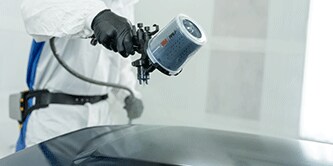
5 minute read
The paint booth can bottleneck repairs due to drying times, specialty colors and large jobs. Rising paint costs make accurate estimates and quality checks vital. Improve efficiency with parts-off painting, booth schedules, tracking refinish hours and premixing colors.
-
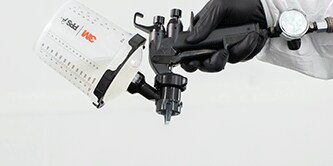
7 minute read
In this article, discover the OEM requirements for paint and considerations for your repair planning.
-
 3M Collision Repair YouTube Channel
Learn from our 3M Application Engineers as they walk you through key shop processes, efficiencies, and innovative solutions – all aiming to provide a path for higher shop throughput and profitability.
Subscribe to receive 3M Collision Repair emails
At 3M we like to keep collision repair industry professionals, like you, up to date. Receive periodic emails on the latest products, processes, events and promotions. To keep up with what’s new, click to the subscribe button.
