About 3M
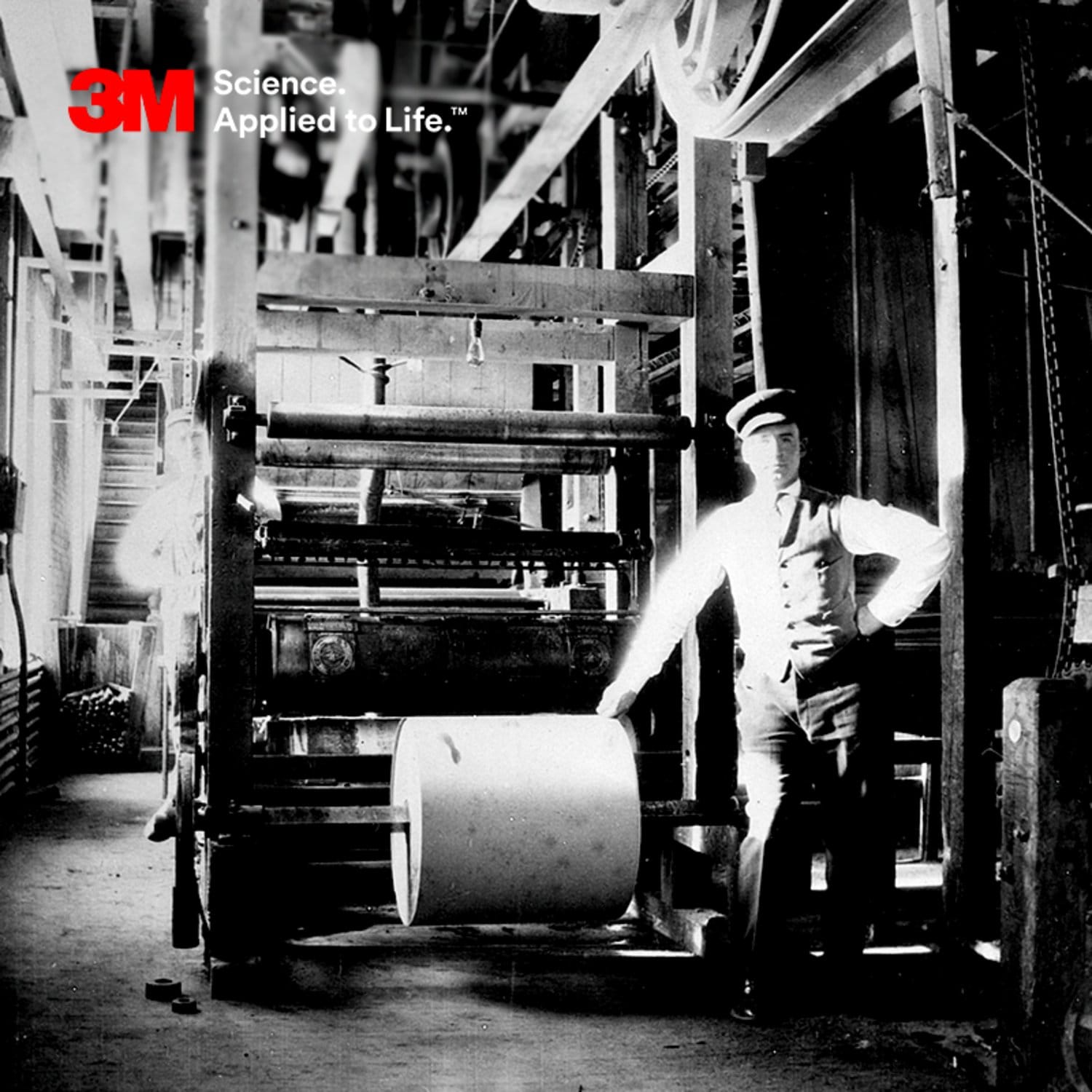
A historical black and white scene featuring a person in early 20th century attire standing next to industrial machinery.

3M History

From our humble beginnings mining for rocks over 100 years ago, 3M has evolved to make what's next possible across countless industries.

Our history

Minnesota Mining and Manufacturing Company

More than a century ago, 3M started as a small-scale mining venture in Northern Minnesota, then named Minnesota Mining and Manufacturing Company. Now a global powerhouse, our products improve the daily lives of people around the world.

But our success and longevity were not apparent from the start. We tried. We failed. We tried something new. Repeat cycle. Innovation and perseverance drove our founders, and it continues to drive 3Mers today.
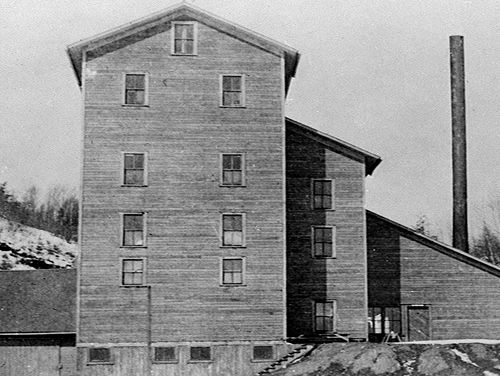
A historic, multi-story wooden building with several windows, situated on a sloped terrain.

From Humble Beginnings to Fortune 500

Scientific, technical and marketing innovations produced success upon success over the years, eventually making 3M a constant name on the Fortune 500 list. Today, 3M solutions are used in businesses, homes, schools, worksites and countless industries. One third of our sales come from products invented within the past five years, thanks to innovations from the thousands of researchers and scientists we employ around the world.

We are committed to creating the technology and products that advance every company, enhance every home and improve every life.
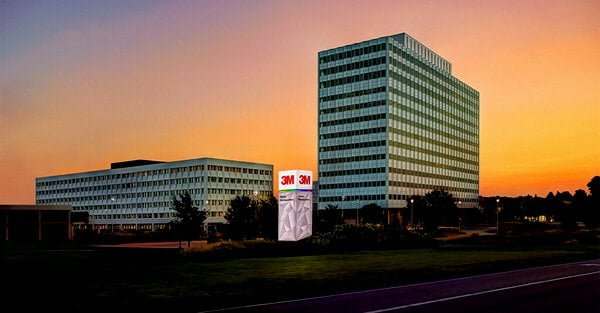
3M Corporate building set against a colorful sunset sky.

Highlights throughout the history of 3M
Complete timeline of 3M

1900s

1900s

1902 – Humble beginnings

  • Minnesota Mining and Manufacturing Company was founded by Dr. J. Danley Budd, Henry. S. Bryan, William A. McGonagle, John Dwan and Hermon W. Cable in Two Harbors, MN.
  • Initial mining efforts failed to produce corundum, a mineral ideal for making sandpaper. Instead, the mineral anorthosite was used and sales were weak.
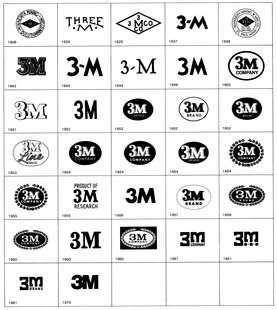
A chronological display of the 3M logo evolution from 1906 to 1978. The logos vary in design, featuring different fonts, styles, and additional elements.

1905 – Duluth sandpaper plant

  • The company moved to Duluth, MN, to make sandpaper with abrasive minerals purchased from another source, thanks to an investment from St. Paul businessman, Lucius P. Ordway.
  • 3M constructed its first manufacturing building, a two-story sandpaper plant. Poor planning caused the floor to collapse from the weight of the company’s newly purchased raw materials.
1907 – Leadership in the making

  • Future 3M President and Chairman of the Board, William L. McKnight, joined Minnesota Mining and Manufacturing Co. as an assistant bookkeeper, and would become to be best known for shaping the company’s culture of innovation and collaboration.

1910s

1910s

1910 – 3M moves to St. Paul, MN

  • Major investor Lucius Ordway established the first plant in St. Paul, MN, leading to faster expansion of the company due to its more central location.

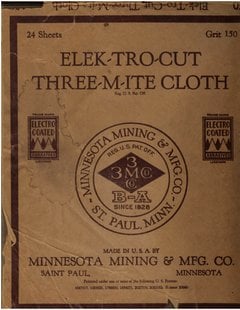
1914 – First 3M exclusive: Three-M-ite

  • The 3M™ Three-M-ite™ Abrasive Cloth became 3M’s first exclusive product.

A vintage packaging design for Elek-tro-cut Three-M-ite Cloth.

1916 – Substantial profits

  • Thanks to the Three-M-ite cloth and a boost in business from World War I, 3M posted substantial profits and declared its first dividend.
  • A new headquarters office is established in St. Paul, MN.
  • The first laboratory is established to test product quality.

1920s

1920s

1921 – Revolutionizing sandpaper

  • The company patented and introduced 3M™ Wetordry™ Waterproof Sandpaper — the world’s first water-resistant coated abrasive. Automobile manufacturers could use the product with water to reduce dust and decrease the friction that marred auto finishes. Also, this technology created healthier working conditions for employees.

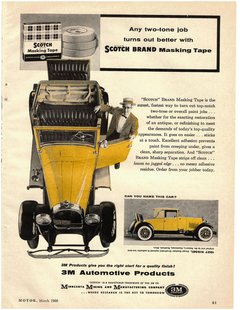
1925 – Masking tape invented

  • While testing abrasive samples at a body shop, Richard Drew, a 3M lab assistant, noted that painters were having trouble masking car parts. He got an idea that led to the invention of masking tape.
  • The tape was a hit and the Scotch® brand tape product line was born, as was 3M's growing emphasis on product diversity.
A vintage advertisement for Scotch Brand Masking Tape featuring a yellow car with a man applying tape to its edges.

1930s

1930s

1930 – Scotch cellophane tape launched

  • Richard Drew saw another customer need. Cellophane was popular, but there was no attractive way to seal the clear material. He coated samples of cellophane with 3M adhesive.
  • Scotch® Cellophane Tape was born and soon hundreds of practical uses were discovered, such as during the Great Depression, people found the product to be useful for mending torn book pages and documents.

1937 – An investment in innovation

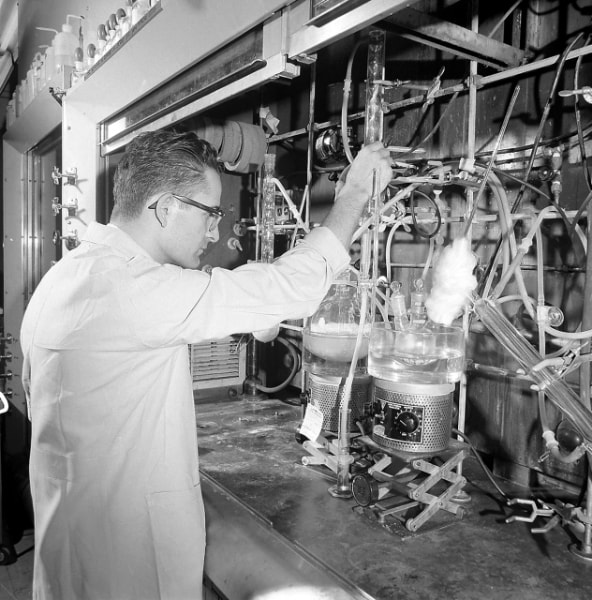
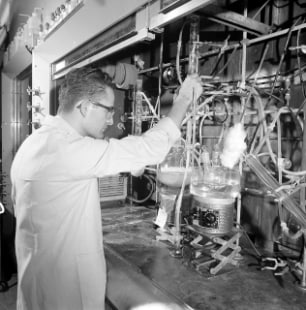
  • 3M Vice President, Richard P. Carlton, established a Central Research Laboratory to pursue research in technologies with long-term potential leading to 3M breakthroughs, such as reflective materials used to improve highway signs and markings.
A scientist in a lab coat working with complex laboratory equipment, including glassware and tubing, in a research laboratory setting.

1938 – Reflective traffic signs born

  • After 3M™ Scotchlite™ Reflective Sheeting was introduced commercially in 1938, the first traffic sign featuring this new product was erected in Minneapolis one year later.

1939 – Easy dispensing

  • Scotch® Brand welcomes the "snail," the iconic, handheld tape dispenser. The first version was made from stamped sheet metal followed by the plastic model one year later.

1940s

1940s

1940 – 3M products go to war

  • In the early 1940s, our efforts were diverted into applying 3M products to defense materials for World War II.

1946 – 3M Debuts on the NYSE

  • 3M stock listed for the first time on the New York Stock Exchange.

A vibrant digital display showing stock market data with numbers and graphs.

1947 – Bing Crosby Croons on 3M Tape

  • 3M™ Sound Recording Tape revolutionized the entertainment industry, allowing consumers to record and play back music and voice recordings at a later time.

1948 – From birthday parties to operating rooms

  • Solid color gift ribbons and surgical drapes made their debut, further diversifying 3M’s product portfolio.

1950s

1950s

1950 – Beautiful productivity

  • 3M™ Thermo-Fax™ Copier was introduced, changing office productivity for making duplicate copies.
  • The colorful and shiny 3M™ Sasheen Decorative Ribbon for making bows created a new market for gift wrapping.

1951 – Going global

  • 3M established its International Division and new international companies were created in Australia, Brazil, Canada, France, Germany, Mexico and the United Kingdom.

A diverse array of national flags from various countries are flying on flagpoles against a clear blue sky.

1954 – 3M goes Hollywood

  • RCA uses Scotch® Magnetic Tape to record television programs for the first time.

1956 – Protecting fabrics

  • 3M introduced Scotchgard™ Fabric and Upholstery Protector to the textile industry.

1957 – Double the sticking power

  • The tape product line was diversified with the introduction of Scotch® Double-Coated Tape.
  • The two billionth commercial-sized roll of tape came off the production line.

1958 – Scotch-Brite™ scours the industry

  • Scotch-Brite™ Cleaning Pads were marketed for industrial use which was a new application for the non-woven product.

1960s

1960s

1960 – Hypoallergenic and magical tape

  • 3M Micropore™ Surgical Tape, the first hypoallergenic tape, was introduced and was a key to the success of 3M’s health care business.

1961 – Vanishing act

  • 3M introduces Scotch® Magic™ Tape, the innovative matte-finish tape virtually invisible on light-colored paper and envelopes. Unlike glossy tapes, users could write on it with pen, pencil or marker.

1962 – New beginnings in Maplewood, MN

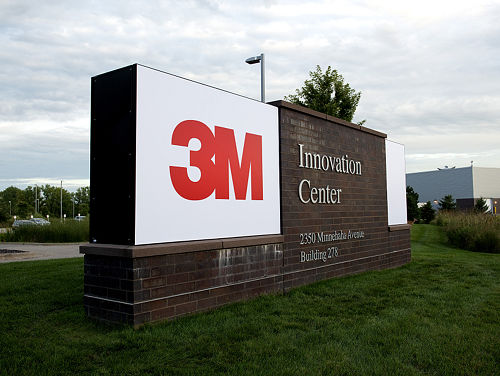
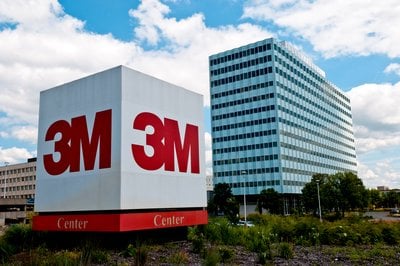
  • The first office building was completed at the 3M Center in Maplewood, MN, establishing the company's new global headquarters, where it remains today.

The 3M Innovation Center sign is prominently displayed on a brick base.

1963 – Sports fields go futuristic

  • Tartan™ Turf, the first synthetic grass surface, debuts.

1968 – Duplicating gets colorful

  • 3M’s Color-in-Color copying system produced a full-color copy in one minute. It was released to the consumer markets the following year.

1969 – Venturing into space

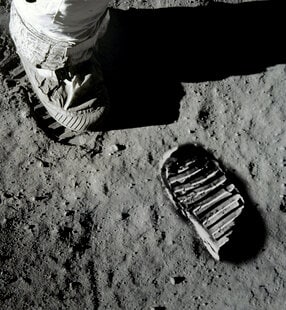
  • 3M products are used by astronauts in the first moon landing, including 3M™ Fluorel™ Elastomer, a synthetic rubber used in the astronaut’s boots worn inside the space capsule.

An astronaut boot and a distinct footprint are visible on the lunar surface, highlighting the iconic moment of human exploration on the moon.

1970s

1970s

1973 – Carpool commuting

  • 3M creates the first van-pooling program in the United States in Maplewood, MN, eventually branching to other states. During the first 22 years of the program, it was calculated that more than 58 million vehicle miles were reduced.

1975 – Eliminating pollution

  • 3M launched Pollution Prevention Pays, empowering employees to guide the company’s sustainability efforts. To date, the “3P” program has resulted in the elimination of more than a billion pounds of pollution and saved 3M billions in costs.

1976 – Stock market spotlight

  • 3M joins the Dow Jones Industrial Average.

1978 – Seeing red

  • The blue 3M logo is replaced with a new, rounded logo in a specially formulated color – 3M Red.

3M Logo.

1979 – Helping people stay toasty warm

  • 3M™ Thinsulate™ Thermal Insulation introduced with more than 30 clothing manufacturers signing up right away to use this product.

1980s

1980s

1980 – Something to post about

  • 3M introduced Post-it® Notes, creating a whole new category in the marketplace and changing people’s communication and organization behavior forever.
  • 3M™ VHB™ (Very High Bond) Tapes were introduced, replacing rivets and screws in fastening operations due to its incredible strength.


Two scientists in lab coats are engaged in a discussion in a laboratory setting, surrounded by shelves filled with various bottles and containers.

1984 – International expansion opens new doors

  • 3M became the first wholly-owned, foreign-invested enterprise in China.

Aerial view of a densely packed urban landscape featuring numerous high-rise buildings in various colors and designs.

1985 – A note of many colors

  • The Post-it® Note product line expanded from yellow to include four new colors. Six years later, neon colors make their debut.

1990s

1990s

1990 – Privacy please

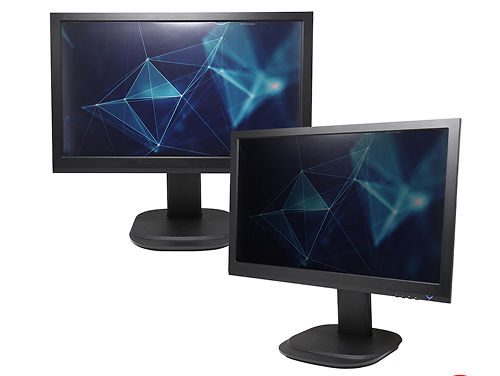
  • 3M™ Privacy Computer Filters were introduced, helping protect information displayed on monitors.

Two computer monitors with black frames displaying a digital geometric pattern on their screens.

1994 – Working up a sweat

  • Nexcare™ Active™ Strips Flexible Foam Bandages made their debut, providing extra sticking power to perspiring skin thanks to the water-resistant adhesive.

1995 – Internet debut

  • 3M launches its first website, giving its customers links to thousands of pages of information on 3M programs, products and technologies.

1997 – Gift wrapping made easy

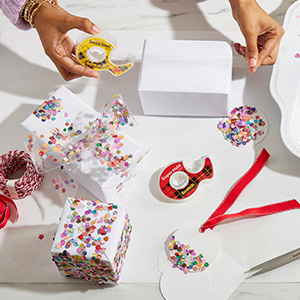
  • Scotch® Pop-Up Tape Strips and Dispensers were introduced, dispensing 2-inch, pre-cut pieces of tape from a hand band that allowed customers more of a hands-free wrapping experience.

Hands engaged in a crafting activity, using colorful tape dispensers to wrap white boxes adorned with multicolored confetti.

2000s

2000s

2002 – Celebrating with a name change

  • As 3M employees celebrated 3M’s centennial anniversary, “3M Company” becomes the legal name for 3M—originally incorporated as Minnesota Mining and Manufacturing Company.
Large 3M logo displayed on a white cube structure labeled Center in front of a multi-story office building.

2004 – Milestone sales

  • For the first time in 3M’s history, sales topped $20 billion in large part to the innovative new products, such as Post-it® Super Sticky Notes, Scotch® Transparent Duct Tape, optical films for LCD televisions and a new family of Scotch-Brite® Cleaning Products that give consumers the right scrubbing power for a host of cleaning jobs.

2007 – Consumer products continue to innovate

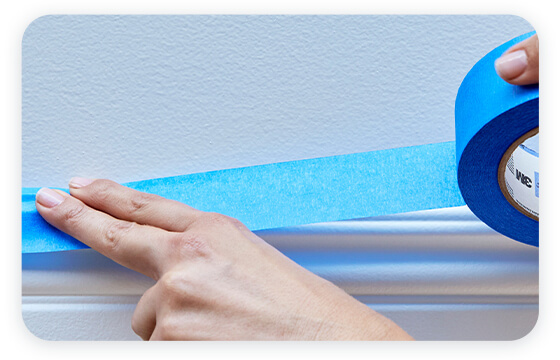
  • The Scotch-Brite™ brand introduced the first disposable toilet scrubber with built-in bleach. Other products, such as Scotch-Blue™ Painter’s Tape for Corners and Hinges and the Scotch™ Fur Fighter™ Hair Remover designed to grip and trap pet hair embedded in upholstery, continued to exemplify innovative products designed to enhance the home environment.
A hand applying a strip of blue painter tape along the edge of a white wall, ensuring a smooth and even application.

2008 – Illuminating developments

  • Scientists developed a break-through, ultra-compact LED-illuminated projection engine for integration in personal electronic devices, including the 3M Micro Professional Mpro 110 projector, which has since evolved.

2009 – Analytical sound waves

  • 3M’s healthcare business introduced the 3M Littmann® Electronic Stethoscope Model 3200, a next-generation auscultation device featuring Bluetooth wireless technology that transfers heart, lung and other body sounds to software for further analysis. These stethoscopes have successfully allowed doctors to study rural stroke victims and an astronaut on the International Space Station.
  • Featuring a patented, ceramic abrasive grain shape, the 3M™ Cubitron™ II Fibre Discs and Metal Working Belts increased the life expectancy of abrasives in the grinding industry by as much as four times.

2010s

2010s

2010 – Innovation in abrasives

  • 3M introduced the Cubitron™ II precision-shaped grain abrasives, revolutionizing the abrasives industry with enhanced cutting performance and durability.
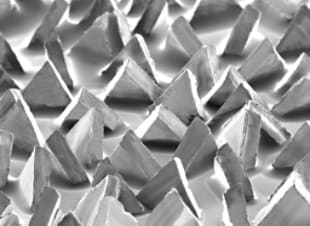
A pattern of triangular, pyramid-like structures arranged in rows, creating a textured surface with varying shades of gray.

2012 – Channeling solar power

  • Our Renewable Energy Division and Gossamer Space Frames unveiled the world’s largest aperture trough using 3M™ Solar Mirror Film 1100 for concentrated solar power.

2013 – Billion dollar milestone

  • 3M topped $30 billion in sales around the globe.

2014 – Perfecting the patent

  • 3M reached an innovation milestone with the issuance of its 100,000th patent. Each year about 3,000 patents are issued to 3M worldwide, with more than 500 granted in the U.S.
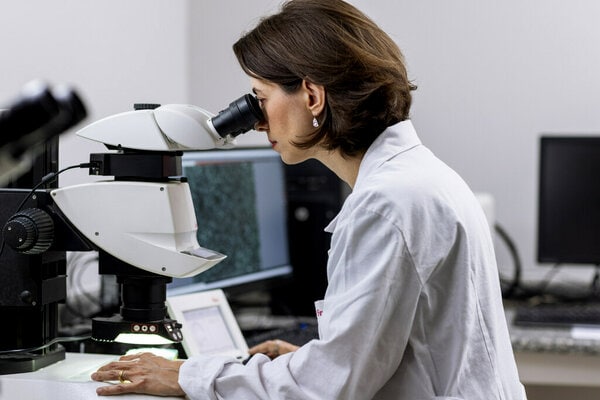
A scientist or researcher in a white lab coat is using a microscope to examine a sample.

2016 – Building out innovation

  • 3M opened a state-of-the-art, research and development laboratory at the global headquarters in Maplewood, MN.

2017 – Staying visibly active

  • A new type of 3M™ Scotchlite™ Reflective Material becomes an attractive product for athletic activewear manufacturers. The washable, stretchable and stain resistant product adheres to a variety of fabrics and becomes reflective when illuminated at night.

2018 – Advancing autonomous driving and solar efficiency

  • Development of a road marking for autonomous driving​.
  • Anti-reflective coating to increase the yield of solar panels and greenhouses​.

2019 – Green materials and precision engineering

  • 3M Thinsulate 100% Recycled Featherless Insulation offers an innovative alternative to natural down. Made from post-consumer recycled material, its fibers are engineered to replicate the performance of down insulation, even when wet.
  • 3M Trizact CMP Pads use the company‘s unique microreplication technology to support semiconductor manufacturing. Through precise polishing, it creates exceptionally flat and consistent semiconductor wafers, which are essential components in computers, phones, consumer electronics, cars, and more. ​
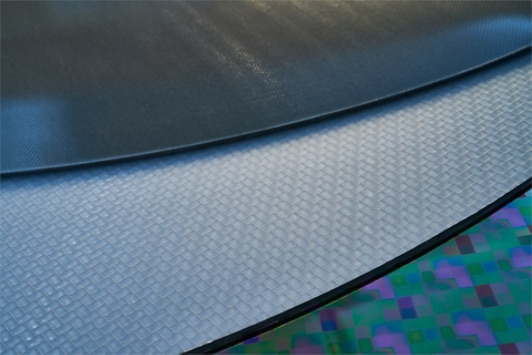
Close-up view of three overlapping semiconductor wafers, each displaying distinct textures and patterns.

2020s

2020s

2020 – Shipping solutions and N-95 production boost

  • Scotch® Flex & Seal Shipping Roll enables up to 50 percent savings in time, material, and space​.
  • In response to the COVID-19 pandemic, 3M ramped up its manufacturing of N-95 respirators and more than tripled production, from 22 million a month pre-pandemic to 95 million a month by the end of 2020.

A pair of white high-top sneakers placed on a wooden workbench next to a rolled-up blue foam mat.

2021 – Innovating for automation and health

  • 3M commercializes the Finesse-it™ Robotic Paint Repair System. which incorporates robotics and 3M stream motion software, process modeling, and abrasive technology to fix imperfections in the paint topcoat for vehicles on a moving production line.
  • 3M Microbe Removal cleaning cloths remove viruses and bacteria by 99.9%.
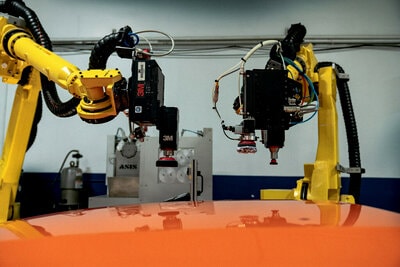
Two robotic arms equipped with various tools positioned above an orange surface in an industrial setting, with machinery and cables visible in the background.

2023 – Embracing sustainability in packaging solutions

  • 3M launches Scotch Cushion Lock Protective Wrap, a sustainable alternative to conventional packaging material and plastic bubble. Inspired by the Japanese art of kirigami, a series of strategic cuts enable the material to transform from a flat roll of paper and offer three-dimensional packaging protection. Its innovative design was recognized by the Edison Awards and Fast Company’s World-Changing Ideas.
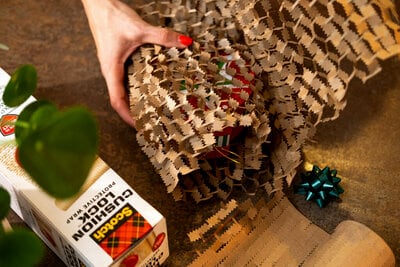
A hand with red nail polish wrapping a gift in brown honeycomb-patterned paper, with a roll of Scotch Cushion Lock protective wrap and a small blue gift bow nearby on a table.

2024 – Tech and sustainability breakthroughs

  • Launch of 3M™ DI-NOC™ Architectural Finishes E-Series RC Recycled Content Film, created in part using bio-based filler and recycled materials. ​E-Series RC Recycled Content Film has a base film layer made with 80% post-consumer recycled polyester and a colored layer made with 20% scallop shell powder as a bio-based filler.
  • At CES 2024, 3M unveiled the 3M™ PELTOR™ WS™ ALERT™ XPV Headset, the world's first self-charging protective communications headset using Powerfoyle™ solar cell technology. This innovative headset converted light into clean energy, eliminating the need for single-use batteries while offering advanced features for enhanced safety and productivity.
  • In April, 3M completed the planned spin-off of its health care business, which formally launched as an independent company: Solventum Corporation. ​
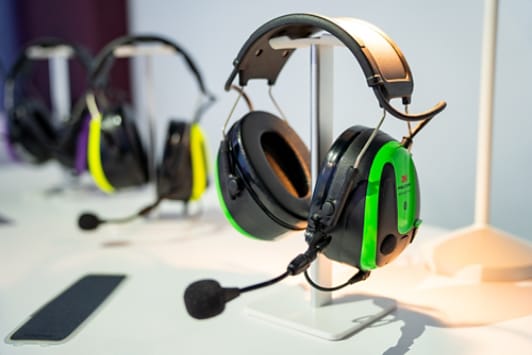
A pair of green and black noise-cancelling headphones with an attached microphone displayed on a stand, with another similar pair in the background.

2025 – Celebrating 100 years of Scotch Brand

  • Scotch™ Brand celebrates its 100th anniversary. Since the invention of Scotch Masking Tape in 1925, the brand has grown and evolved into more than a thousand varieties of adhesive tape and products. These solutions are integral to families, friendships, and entire industries—from shipping, packaging, home, and office to automotive, construction, manufacturing, electronics, and more.

A bold yellow and black logo celebrating the 100th anniversary of the Scotch brand.